





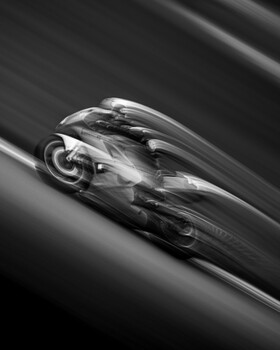

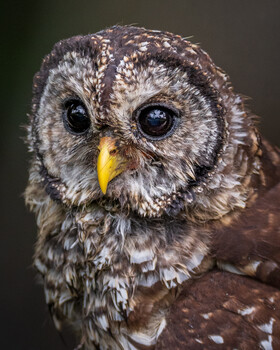

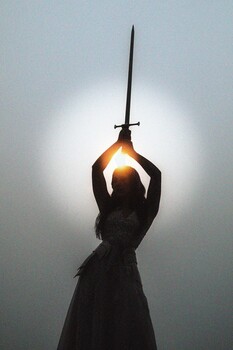















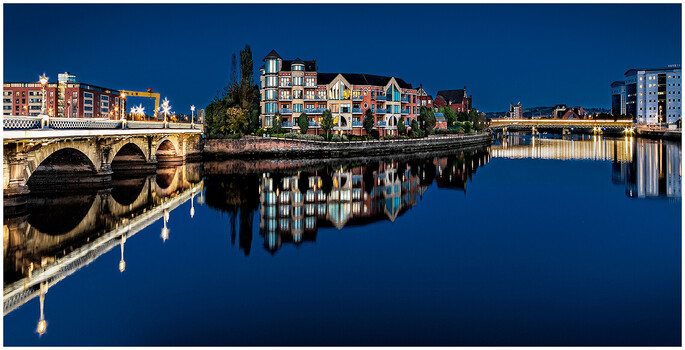















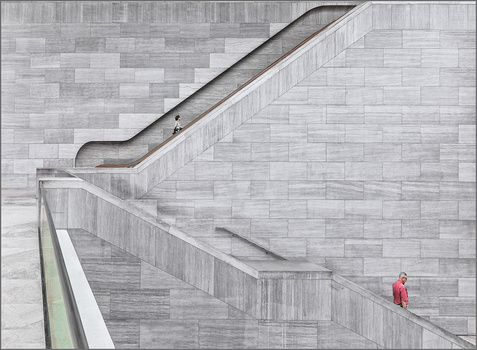
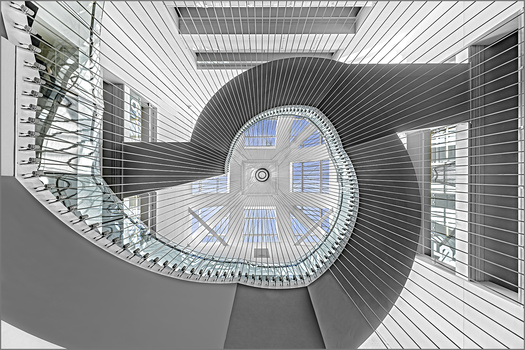
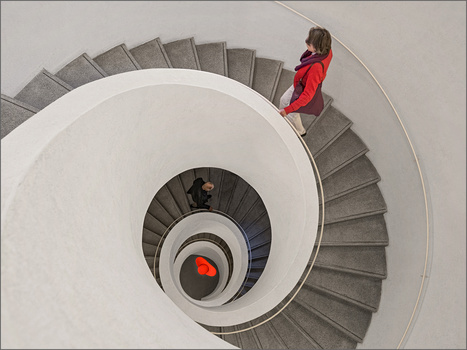

Top Ten With Tina Sokolovska, and the Philosophy Which Led to Two Million Reposts
Tina Sokolovska is a newly appointed Nikon Ambassador, as well as an American-Ukrainian photographer, creative director, and educator based in New York. Her 2017 breakout image, "On the Wave," was noted by 35photo.pro as one of the Top 100 Best Photographs in the World, and has been reposted on social media more than two million times. Here she talks about personal connection, working fast, and not obsessing about reposts (even when you get more than two million).
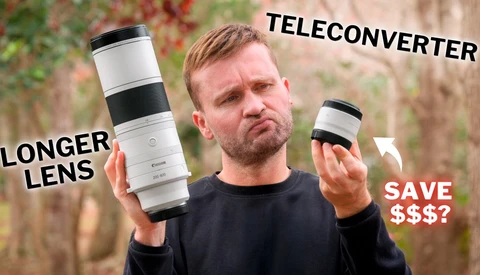
When a Teleconverter Helps and When It Wrecks Your Shot
Teleconverters split photographers into two camps: people who swear by them and people who say they wreck image quality, slow autofocus, and belong in a drawer. Both camps are right, and which one you land in comes down entirely to how you shoot.


Submit your best photos tweaked with Ai
Welcome to the July installment of the Critique the Community! This month's critique theme is going to be "Augmented with Artificial Intelligence," and we want to see your best photographs that have been enhanced using Artificial Intelligence.
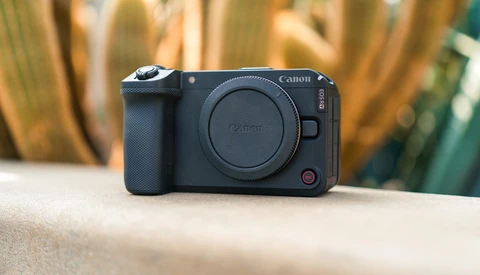
Canon R6V vs. C50 and C80: Which One Survives the Cut?
When three cameras are on the chopping block and only one gets to stay, the choice reveals a lot about how you actually shoot. The Canon R6V, up against the C50, the C80, and the R6 Mark III, ended up winning that fight for reasons that have less to do with specs on paper and more to do with what a camera lets you do in the field.





Why Boring Subjects Make the Best Photos
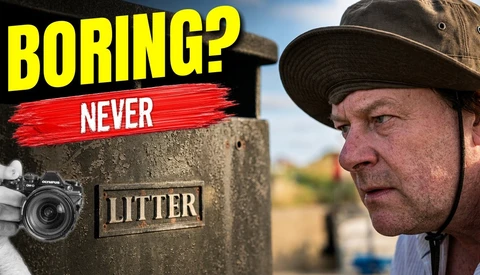
A litter bin by the beach with the front panel missing became a compelling black-and-white image, and the whole thing took a change of approach rather than a change of location. The idea runs through the entire session: the most mundane object can hold your attention if you photograph it the right way.

About Image and Visual Literacy
First there was the word, from a creative point of view, but in terms of reasoning, first there was light. Image and content travel within it. If light travels faster than sound, its content is also received much earlier. If, before speaking, we communicate through sight, we must restructure the way we learn.
Why Old Photos Feel Different (And It Isn't Just Film)
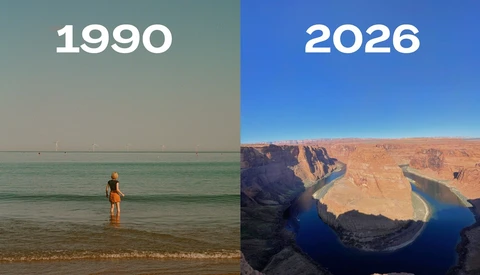
Look back at a street photo from 1955, then look at one shot this morning. The old one carries something the new one can't quite reach, and it isn't that the photographer was talented.
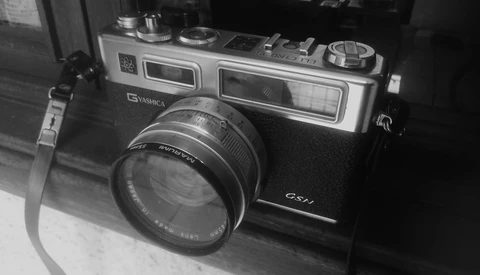
Yashica Taught Me to See. Now It's Selling Me Garbage.
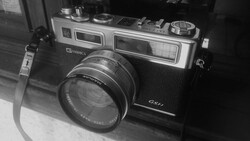
There's a camera on my shelf that changed how I look at the world: a Yashica Electro 35 GSN. Heavy. Honest. A rangefinder that asked nothing of me except to slow down and pay attention. The 45mm lens acts as a "normal" or standard field of view on the camera's 35mm full frame format, allowing you to make everything from street photography to portraits. That camera is part of why I photograph the way I do today. The company that made it doesn't exist anymore.
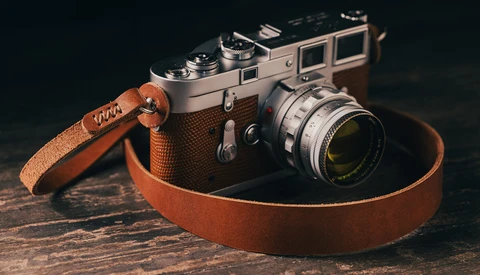
Fab’ Launches a Gorgeous New Handmade Leather Camera Strap
Fab’ are one of Canada’s top camera strap manufacturers. They have a wide range of leather and rope camera straps and harnesses, and everything is made by hand in Montreal. They’ve built up an extremely good reputation for making the highest-quality straps, yet they refuse to rest on their laurels.
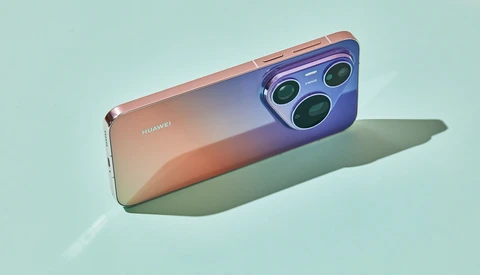
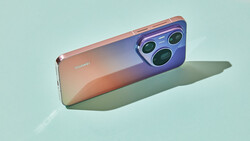
We Review the Latest Huawei Flagship Smartphone: The Pura 90s Pro Max
Huawei's smartphone imaging innovation has come a long way since the introduction of XMage color science four years ago. The Pura series, previously known as the P series, has held its title as a photography flagship for even longer, consistently packing in all the greatest imaging technology. This year is no different with the introduction of the Pura 90s Pro Max. Huawei combines its latest True-to-Color 2.0 sensor with an industry-leading, ultra-large-sensor telephoto camera, pushing the imaging envelope to new heights, offering even more flexibility for users to express themselves through their unique perspective.

Pixel Pitch: Does Camera Pixel Size Actually Matter?
Ask around and you will get a confident answer: bigger pixels are better. They gather more light, so they produce cleaner images with less noise, which is why the low-megapixel low-light specialist supposedly beats the high-resolution body when the sun goes down. It is one of the most repeated ideas in photography, and it is mostly wrong. Not entirely wrong, which is what makes it stubborn, but wrong in the specific way it is usually meant.

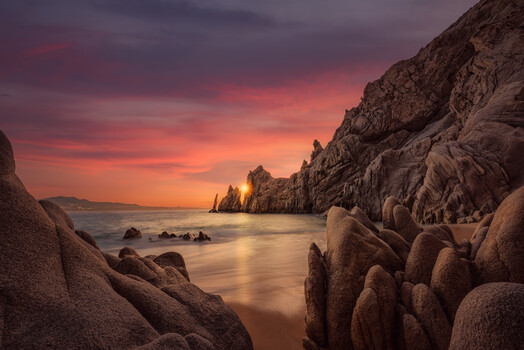
The Problem With Planning in Landscape Photography
It usually starts a few nights before a shoot. You start checking weather forecasts, cloud-cover percentages, and sun angles. You try to judge the likelihood of fog. You pack your bag with the gear you need for the anticipated conditions. You have locations planned out. You know exactly where the car will be parked and what the light should do. You feel prepared. But have you just planned too much?
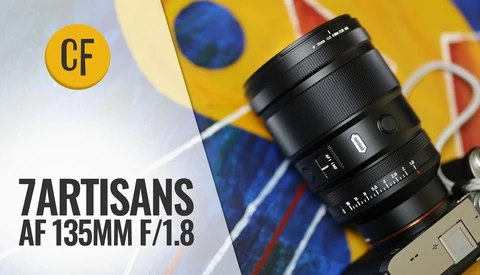
A $690 135mm f/1.8 Full Frame Lens: Too Good to Be True?
A 135mm f/1.8 full frame autofocus lens for $690 undercuts every rival on the market by a wide margin, and until recently, a lens this fast at this focal length simply didn't exist at this price. For portrait and event shooters chasing that tight, wildly out-of-focus look, the math suddenly changes.

The Discipline of Getting Lost
There is a certain kind of photography that does not begin with a plan, a map, or even a clear idea of what you are looking for. It begins the moment you realize you are already lost and you decide, consciously or not, to keep going anyway.
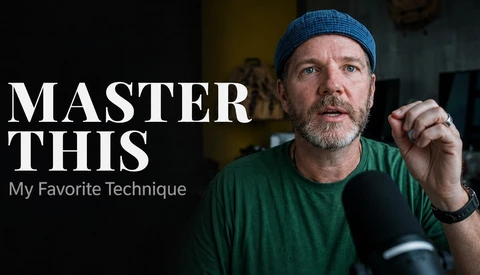
How a Photojournalist Shoots Publishable Portraits With Nothing but a Window
A window and a dark room are enough to shoot a portrait good enough for the New York Times. No strobes, no modifiers, no expensive gear, just daylight and a few decisions you learn to make on purpose.

The London Shooting Locations Locals Guard for Themselves
London rewards the photographer who stops rushing from landmark to landmark and instead learns a handful of spots inside out. The same corner shifts completely between a July afternoon and a January noon, and knowing when to show up matters as much as knowing where.
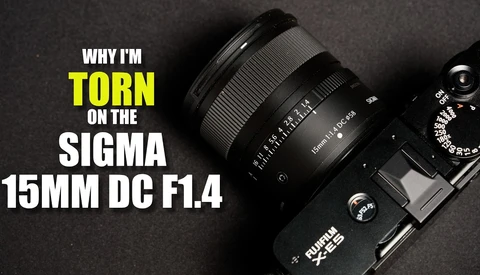
Small, Sharp, and Under $600: The Catch With the Sigma 15mm f/1.4
A lens can hit every spec on your wishlist and still leave you flat when you actually shoot with it. The Sigma 15mm f/1.4 DC is a case study in that gap between numbers and feeling.
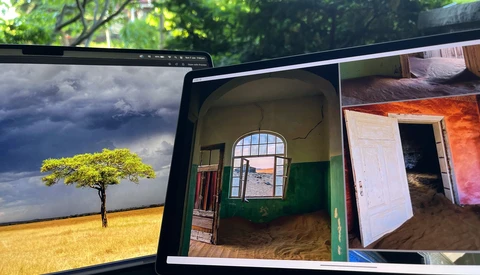
Wacom's MovinkPad Pro 14: Trying Something New
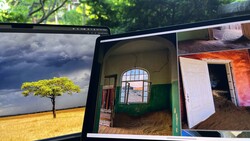
Recently, I had the chance to try out the new Wacom MovinkPad Pro 14. It wasn't that long ago that I experimented with Wacom's One 13 Touch. Although the MovinkPad Pro 14 isn't built specifically for photographers, the upgrade in my experience over the Wacom One Touch was significant. As an adventure guide and photographer, I travel to a minimum of four continents a year, and the portability of the MovinkPad Pro 14 really does draw me in past the drawbacks of pushing it outside its native operating system or purpose.
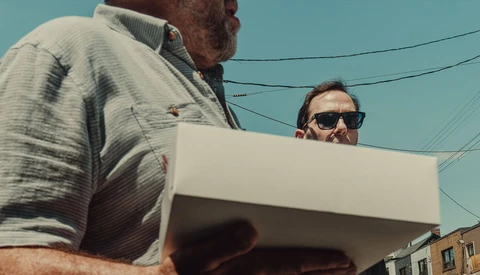
Has Street Photography Lost Its Soul?
I love street photography; it’s fun. Everyone can do it because you don’t need to spend a lot of money to travel to far-off destinations. If there are no big cities nearby, no worries, we can do it in our local towns. Perfect!
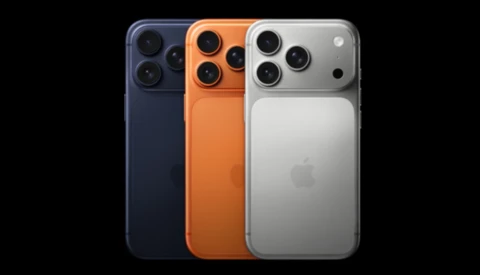
I Shot the iPhone 17 Pro Max for Nine Months: The Phone That Handled Everything I Threw at It
For years the honest answer to "is the phone camera good enough?" came with an asterisk. Good enough in nice light. Good enough if you did not zoom. Good enough until the sun went down. I have carried an iPhone 17 Pro Max since launch weekend, and after nine months of pointing it at nearly every situation I run into, the asterisk is mostly gone. This is the first iPhone where the answer to "can it handle that?" was just yes, across reach, dark, wide, close, and the kind of dramatic sky I cannot stop photographing.
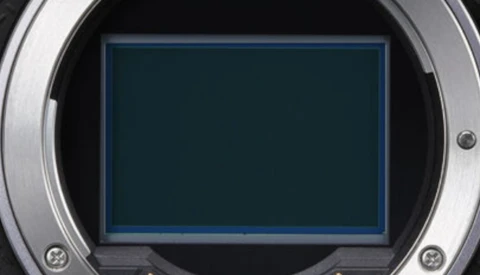
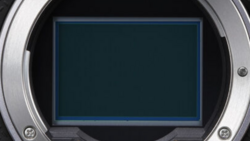
Quantum Efficiency: The Sensor Spec Nobody Publishes
Almost every consumer camera you have ever bought came with a spec sheet, and that spec sheet left out the one number that most directly describes how good the sensor is at its actual job: catching light and turning it into signal. It told you the megapixel count, the ISO range, the frame rate, the buffer depth, the number of autofocus points. It did not tell you the sensor's quantum efficiency, and Canon, Nikon, Sony, Fujifilm, and the rest of the consumer camera business have quietly settled into never printing it.
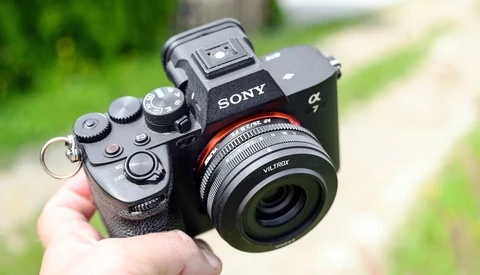
The $200 Pancake Lens That Almost Made a Sony Setup Perfect
A full frame pancake lens that costs around $200, mounts autofocus, and shrinks a Sony body down to something that reads as a point-and-shoot sounds like it has to give something up. The Viltrox 26mm f/2.8 EVO Edition FE gives up a little, but far less than the price and size suggest.

The Accidental Double Exposure That Put a Late Father Back in His Daughter's Wedding Photos
A bride carried her late father's 1970s Rollei to her wedding, handed it to a brother, and asked him to shoot whatever caught his eye. When the scans came back weeks later, the first frame wasn't the wedding at all. It was her mother and father, standing together more than two decades earlier.
Researchers Warn AI Animal Videos Are Harming Real Wildlife Science and Perception
A growing wave of AI-generated animal videos is spreading across social media, and researchers say these fabricated clips are quietly reshaping how the public understands real wildlife. The concern is not just that the videos are fake, but that they present impossible or invented behavior as if it were documented fact.
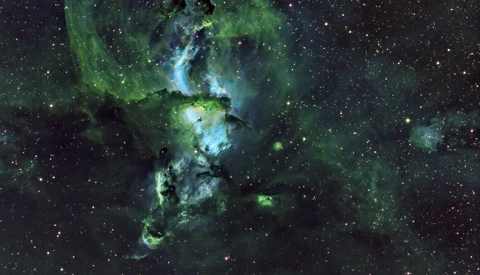
An Incredible Image of the Statue of Liberty Nebula Just Landed on NASA's Astronomy Picture of the Day
NASA just put a photo of the Statue of Liberty Nebula in front of a global audience, and the image came from astrophotographer Logan Carpenter. The picture ran as the Astronomy Picture of the Day on July 20, 2026, spotlighting a glowing star nursery roughly 9,000 light-years away.
How to Choose Your First Interchangeable-Lens Camera in 2026
Buying your first interchangeable-lens camera is a harder decision than it should be, because the marketing pushes you toward the wrong questions. It wants you comparing megapixels and burst rates between bodies. Those numbers barely matter for a beginner. What matters is the decision underneath them, which brand's system you are joining, because that choice binds you to a family of lenses and accessories that will outlast the body many times over. Get the system right and almost any current camera in it will serve you well. Get it wrong and you will feel the walls close in the moment you want your second lens. This guide walks through the decisions that actually determine whether you end up with a camera you grow into or one you fight.